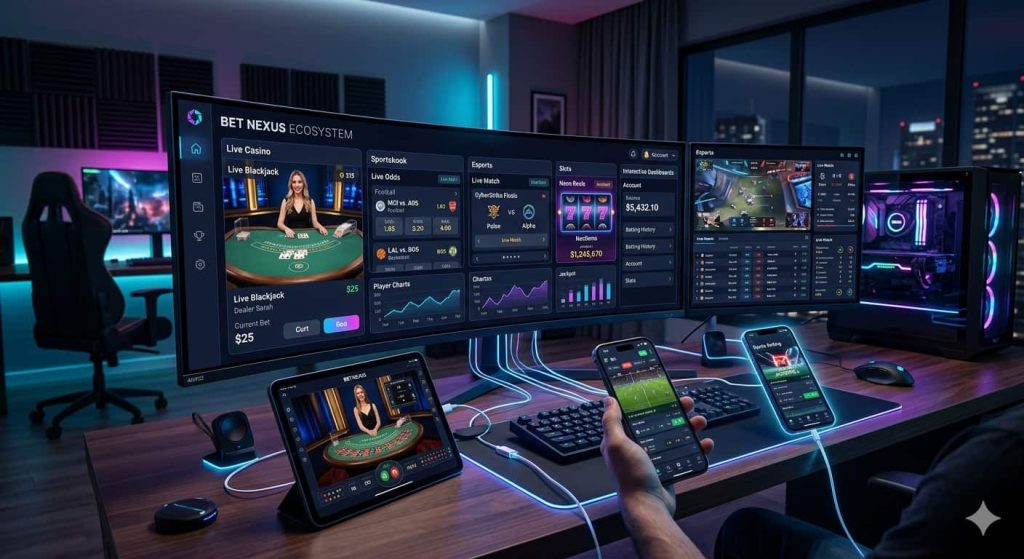
The online gambling industry has evolved far beyond simple digital slot machines and virtual card games. For example, platform game online Didihub operate as highly integrated entertainment ecosystems that combine casino gaming, sports betting, esports betting, live dealer experiences, and interactive social features into one centralized environment. These platforms are no longer just places to place bets, they are becoming sophisticated digital entertainment hubs powered by advanced technology and real-time connectivity.
Modern gambling platforms now focus heavily on user experience, accessibility, and personalization. Through artificial intelligence, cloud infrastructure, live streaming systems, and mobile optimization, online gambling sites are reshaping how players interact with digital entertainment.
Online Gambling Platforms through and through
Early online casinos primarily offered standalone games that relied on simple interfaces and limited interaction. Over time, gambling platforms expanded into multifunction ecosystems capable of supporting diverse entertainment experiences simultaneously. Many would agree that modern online gambling platforms commonly include:
- Online slots
- Sports betting markets
- Live dealer casino games
- Esports wagering
- Poker tournaments
- Mobile gaming support
- Virtual sports betting
Instead of navigating separate websites for different gambling activities, users can now access all these services within a single platform ecosystem.
This integration improves convenience while encouraging longer user engagement.
For example, a player may watch a live football match, place in-play sports bets, and later transition directly into live blackjack or online poker without leaving the platform. This seamless movement between entertainment categories has become one of the defining features of modern gambling infrastructure.
AI and Personalization are Changing User Experiences

Artificial intelligence now plays a major role in how online gambling platforms interact with users. Rather than displaying static game menus, many modern sites use AI-powered recommendation systems to personalize the experience based on player behavior, preferences, and engagement patterns. These systems are smart that it can recommend specific slot games, sports betting markets, live dealer tables, promotional offers, loyalty rewards, tournament participation and more depending on user behavior and patterns.
AI helps platforms create more customized experiences that feel similar to streaming services or social media algorithms. Users are shown content that aligns with their interests, increasing both convenience and platform engagement. Personalized dashboards also improve navigation efficiency by allowing players to track:
- Betting history
- Favorite games
- Win/loss statistics
- Bonus progress
- Live events
As gambling platforms become increasingly data-driven, personalization continues shaping how users consume digital betting entertainment.
Live Streaming and Real-Time Interaction
One of the biggest transformations in online gambling has been the rise of live casino access and real-time streaming technology. Traditional digital games once lacked the atmosphere and social interaction of physical casinos, but live dealer systems have changed that dynamic. Didihub gaming platform and several gambling sites today are offering:
- Live blackjack tables
- Real-time roulette streams
- Interactive baccarat sessions
- Live poker tournaments
- Multiplayer dealer chat systems
Using HD streaming and low-latency infrastructure, players can interact with professional dealers and watch physical gameplay unfold instantly from anywhere in the world.
This real-time engagement creates stronger immersion compared to automated software-based games. Many users are drawn to the authenticity of watching real cards dealt or physical roulette wheels spin rather than relying entirely on computer simulations.
The integration of live streaming technology has also helped online gambling platforms compete more directly with traditional casinos by recreating elements of the in-person experience digitally.
Mobile Gaming and Cloud Infrastructure Drive Accessibility
The rapid growth of smartphones has made mobile access central to online gambling entertainment. Modern platforms are now built using mobile-first design principles that prioritize accessibility across devices. Players can access gambling platforms through smartphones, tablets, desktop computers, and other cloud-connected devices.
Cloud gaming infrastructure helps operators deliver stable performance, real-time synchronization, and scalable server capacity during major sporting events or high-traffic periods. Key mobile-focused features include:
- Biometric login systems
- Push betting notifications
- Instant deposits and withdrawals
- Cross-device synchronization
- Mobile-optimized streaming
This flexibility allows users to engage with gambling platforms anytime and almost anywhere, contributing significantly to the industry’s global growth.
Gamification and Long-Term Engagement
Modern online gambling sites increasingly borrow engagement techniques from the video game industry. Instead of focusing solely on betting, platforms now use gamification systems to encourage longer-term participation and user retention. Common gamification features include:
- Daily missions
- Achievement systems
- Loyalty programs
- Reward levels
- Competitive tournaments
- Progress tracking
These systems create additional goals beyond simply winning bets. Players are encouraged to unlock achievements, complete tasks, and maintain activity streaks, similar to progression systems found in online games.
This approach reflects a broader trend where gambling platforms increasingly position themselves as entertainment ecosystems rather than purely transactional betting services.
Security, Payments, and Responsible Gambling
As online gambling platforms become more advanced, secure infrastructure has become essential. Modern operators invest heavily in cybersecurity, payment protection, and regulatory compliance to maintain user trust. This is same reason why it has been integral among gambling sites to use:
- Encrypted payment gateways
- Two-factor authentication
- Fraud detection systems
- Identity verification tools
- Responsible gambling controls
Instant payment systems also play a major role in improving user experience. Fast deposits and withdrawals reduce friction while supporting real-time betting participation.
Changes brought by Online Gambling Platforms
Modern online platform gambling sites have transformed online gambling into a highly interactive and technology-driven entertainment ecosystem. By combining casino gaming, sports betting, esports wagering, live dealer systems, and mobile accessibility within a single platform, operators are reshaping how users engage with digital betting experiences.
Powered by artificial intelligence, cloud infrastructure, live streaming technology, and gamification systems, today’s platforms offer far more than simple betting opportunities. They provide immersive, personalized, and always-connected entertainment environments designed for modern digital audiences.








 Players should know what they are expected to accomplish and how outcomes are determined. Clear rules help participants understand what actions they can take and what results are possible. This knowledge also makes the gaming experience more enjoyable.


 Under PAGCOR, the Philippines, which has been a center for regulated gambling businesses for a long time, has toughened its standards for 2025. Better financial transparency and stronger Know Your Customer (KYC) verification are new requirements. To increase openness in licensing and transaction monitoring, regulators are looking into blockchain technologies. Digital betting may soon see regulated chances in neighboring nations like Vietnam and Thailand, which are reevaluating their stances on the matter.
 With sophisticated gameplay and a large player community, this MOVA (Multiplayer Online Battle Arena) game boasts fierce team-based battles.
 Check out these upcoming titles that are a must for VR enthusiasts:
 Setting and keeping to bet limits is crucial to responsible gaming. The most you’ll risk and lose gambling is your “bet limit.” Daily, weekly, monthly, or just for practice. Limiting bets can help:

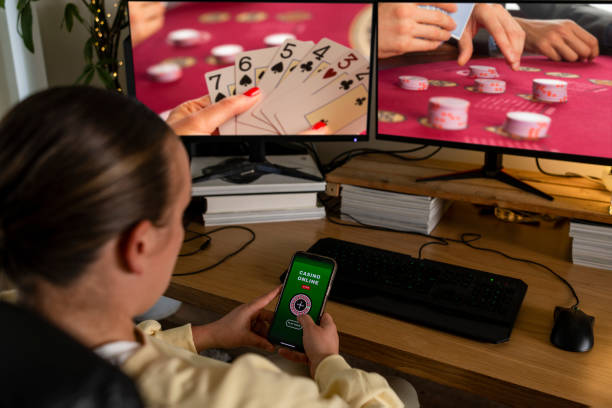















 With the domination of technology and the internet, more gamblers are now transitioning from land-based casinos to online casinos. This is one best and comfortable ways for them to gamble. In relation to that, gambling operators also utilized technological innovations in order to enhance their services and provide more attractions to players.


 Indonesia’s online gambling industry has expanded far beyond traditional sports betting and casino games. One category that continues growing quickly is arcade-style gaming. These games combine simple gameplay, fast action, colorful visuals, and gambling mechanics into an experience that feels closer to mobile gaming than traditional betting. Many Indonesian sports fans are now spending time on arcade-style gambling games alongside football betting and






 Jili Games burst onto the scene in 2018, quickly becoming a favorite among slot enthusiasts worldwide. These titles mix sharp graphics with clever mechanics that keep players hooked. On platforms like 26Myr, you can dive into this world right away. The site serves as a hub for Malaysian gamers seeking excitement without leaving home.
 Roulette has captivated gamblers for centuries with its elegant simplicity. The spinning wheel, the clatter of the ball, and the thrill of anticipation draw players to the table. For those who crave high stakes, high roller roulette offers an exhilarating experience tailored for bold bettors. These tables, designed for elite players, allow massive wagers and promise substantial rewards. But what makes high roller roulette different, and why do platforms like No Limit Roulette Online stand out for those chasing big wins?
 Online gambling is evolving rapidly, and Toto sites play a significant role in this transformation. These platforms are not just providing a safer betting environment but also changing how users engage with online casinos. Toto sites emphasize security, transparency, and user trust, unlike traditional gambling platforms.